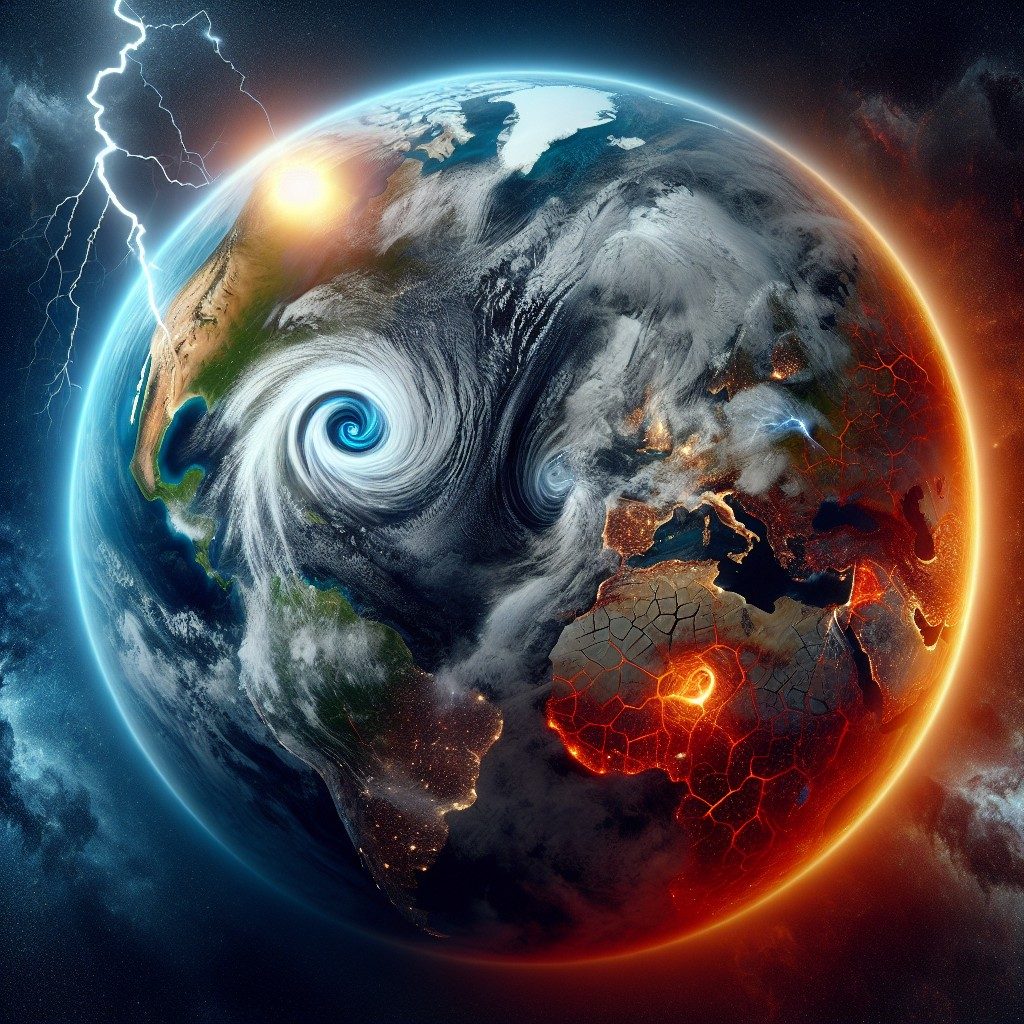
The impending weather patterns for 2026 have captured the attention of climatologists and environmental experts, who warn of potentially unprecedented climatic events. A recent climate analysis reveals alarming trends that suggest a departure from historical norms, posing significant implications for ecosystems and human societies alike.
Expected Shifts in Global Temperature
According to recent models presented by the Intergovernmental Panel on Climate Change (IPCC), global temperatures may rise by 1.5 degrees Celsius within the next few years if current greenhouse gas emission trends persist. This temperature shift will not only affect everyday weather patterns but will also contribute to extreme weather events, such as heatwaves and heavy precipitation, that can disrupt agriculture and water supply systems. The climate analysis indicates that regions traditionally temperate may experience new climate characteristics, leading to potential agricultural challenges.
Increased Frequency of Severe Weather Events
Experts predict that 2026 will witness a marked increase in severe weather events. Regions that have historically been resistant to hurricanes may find themselves facing storms with greater intensity and frequency. Climate analysis from various meteorological institutions suggests that both coastal and inland areas may be at risk. Notably, warmer ocean temperatures contribute to the formation of more powerful storms, which pose dangers ranging from property damage to loss of life. The implications of these changes call for urgent preparations to mitigate risks in vulnerable areas.
Impact on Biodiversity and Ecosystems
Another significant outcome of the climate analysis performed by environmental scientists is the threat to biodiversity. The projected weather patterns for 2026 suggest that many species may struggle to adapt to rapid changes in temperature and precipitation. This could lead to shifts in habitat ranges and, ultimately, an increase in extinction rates. Biological diversity is crucial for maintaining ecosystem health and resilience, thus, safeguarding it against climate-driven disturbances needs to be prioritized as global attention turns towards the realities of climate change.
Conclusion: Preparing for a Changing Climate
As climate experts analyze data and predict the weather patterns of 2026, it becomes increasingly clear that societies must take action to adapt to and mitigate these changes. Governments, businesses, and individuals alike will need to engage in sustainable practices and support policies aimed at reducing carbon emissions. The relationship between climate change and societal stability is undeniable; understanding these impending transformations is crucial for building resilience and ensuring a sustainable future.
Frequently Asked Questions about Climate Analysis
What is climate analysis and why is it important?
Climate analysis is the study of weather patterns, trends, and changes over time, which is crucial for understanding the impacts of climate change on the environment and human life.
How does climate analysis predict extreme weather events?
Climate analysis uses data from historical weather patterns along with current trends to project future extreme weather events, helping communities prepare for potential disasters.
What institutions conduct climate analysis?
Several international bodies, including the IPCC and national meteorological organizations, conduct climate analysis to offer insights into global and regional climate patterns and their implications.
How do climate analysis findings influence policy?
Findings from climate analysis inform policymakers about necessary actions to mitigate climate change effects and adapt to future environmental shifts, guiding sustainable development initiatives.
Can climate analysis help in disaster preparedness?
Yes, climate analysis provides vital information that aids in disaster preparedness by forecasting potential extreme weather patterns, allowing communities to implement protective measures.